Panasonic vs Lakeland Compact 1lb
We compare the Panasonic and the Lakeland Compact 1lb across every dimension that matters - our scores, the key specs, and how each performs on the things you will actually notice day to day.

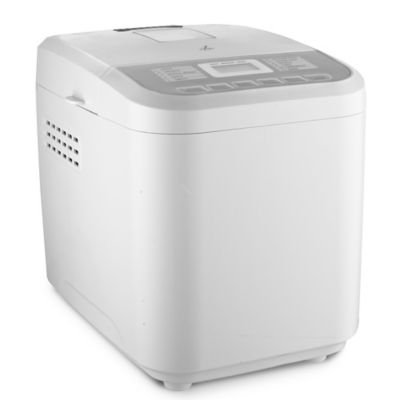
At a glance
| Panasonic | Lakeland Compact 1lb | |
|---|---|---|
| Our score | 7.9/10 | 8.5/10 |
| Best for | Baking fresh, additive-free bread at home, including gluten-free | Baking fresh, additive-free bread at home |
| Not ideal for | Anyone short on cupboard space or who only eats bread occasionally, where shop bread is simpler | Anyone short on cupboard space or who only eats bread occasionally, where shop bread is simpler |
| Brand | Panasonic | Lakeland |
Loaf Sizes and Capacity
Panasonic
The title only states "Automatic Mini Bread maker" and highlights a compact design, so the machine is expected to suit smaller batches rather than family-sized loaves. For regular gluten-free baking, loaf weight limits and how recipes scale should be confirmed in the manual or full spec sheet. If the machine's capacity is limited, thicker dough may need closer monitoring during baking to achieve the required bake.
Lakeland Compact 1lb
Loaf capacity on this bread maker Loaf Bread Maker is limited to up to a 1lb loaf, so it is built for smaller portions rather than larger family loaves. That cap affects planning, since any recipe needs to fit within the stated maximum. A smaller loaf can suit lighter, more frequent baking by reducing leftover bread. For households wanting thicker slices across multiple days, this limit may feel restrictive, so the dough needs to be measured and loaded carefully to avoid exceeding the 1lb target.
Programmes and Settings
Panasonic
Programme and settings matter because they control the mixing rhythm, rise time and baking stage, which affects texture and evenness, particularly for gluten-free dough. This bread maker provides 18 auto programmes, plus a compact set of 4 gluten-free programmes, shown via its LCD display. A programme should be selected to match the dough type, then the steps in the manual should be followed, since the order for adding ingredients can change results. The advantage comes from the dedicated gluten-free options.
Lakeland Compact 1lb
The Lakeland's Compact 1lb Daily Loaf Bread Maker is designed around a single loaf size, so its programmes and settings focus on achieving a correct bake for up to a 1lb loaf rather than offering wide capacity options. The controls are therefore oriented around timing and completion of the baking cycle, with less emphasis on varying large batch sizes. A typical use pattern is to select a programme aligned to the intended loaf style, then add ingredients in the correct order and weight. During operation, the machine carries out the kneading and baking stages automatically, which limits the need for hands-on checking.
Gluten-Free and Special Diets
Panasonic
For people avoiding gluten, the Panasonic is built around dedicated gluten-free options, with 4 gluten-free programmes plus a larger set of 18 auto programmes, all shown on its LCD display. These dedicated cycles are intended to help gluten-free dough rise and bake more predictably than standard bread settings, because gluten-free blends often behave differently. The auto programmes can still be relevant for special diets, as they add further preset choices beyond the gluten-free programmes.
Lakeland Compact 1lb
For people following gluten-free or other special diets, the bread maker Loaf Bread Maker (White) may be a practical choice, but it depends on ingredient selection because the title only confirms it can bake up to a 1 lb loaf and does not specify gluten-free programmes or other special settings. Gluten-free baking typically needs purpose-made recipes and the right flours and binders, so choosing bread machine recipes that are designed for a one-loaf capacity is essential. Cross-contamination is also a concern, so gluten-free ingredients and thoroughly clean tools are important, alongside careful label checking. Other diets, such as low-sugar, likewise require recipe selection that matches the machine's capacity.
Ease of Use and Controls
Panasonic
After looking at how gluten-free and special-diet settings are handled, it makes sense to focus on how the bread maker is used day to day. The mini bread maker uses a straightforward LCD display to show chosen settings, and its black body keeps controls easy to spot. For everyday use, the user selects from the available auto programmes, then chooses a gluten-free programme when needed. The process follows simple steps: measure ingredients, add them to the pan, close the lid, then start. It is compact, but that also means space for accessories is limited.
Lakeland Compact 1lb
Getting started with the Lakeland Loaf Bread Maker (White) is usually straightforward because it is designed for making up to a 1 lb loaf. The control set is centred on one-loaf portions rather than a wide range of sizes, keeping day-to-day operation simple for standard bread-making steps. A typical workflow involves measuring ingredients, adding them to the unit, selecting the programme, and then following the process through to completion. Because the maximum capacity is up to 1 lb, larger batches need multiple cycles, which can be less convenient for families.
Crust, Timer and Dispenser
Panasonic
The Panasonic includes an LCD display that shows the selected crust setting, timer information, and any available dispensing functions. The control area is designed to be clear against a black finish, with crust level selection made through the controls. The timer setting appears on-screen to help plan start and serving times, but the maximum timer delays are not stated. If a dispenser function is available, the display indicates its use.
Lakeland Compact 1lb
Crust results, timer use, and any built-in dispensing features directly affect both the finished appearance and day-to-day convenience. For the bread maker Loaf Bread Maker, the maximum loaf capacity is up to 1lb, so crust browning is influenced by this smaller loaf size. A timer can support baking planning. No automatic add-in dispenser is described in the product title, so automatic add-in timing is not confirmed. Overall, expectations should remain practical and cautious.
Cleaning and Maintenance
Panasonic
Cleaning and maintenance help the bread maker stay in good working order, and owners can usually keep it manageable with regular, simple routines. After each bake, it should cool fully before wiping. The bread pan and kneading blade need careful removal, then cleaning with warm water and mild soap, while abrasive pads are avoided to protect surfaces. The exterior housing should be wiped with a damp cloth, and the LCD should be kept dry. Any crumbs in the lid area should be cleared gently. For best results, parts should be dried thoroughly before reassembly, since trapped dryness can lead to odours.
Lakeland Compact 1lb
Cleaning and maintenance require a simple, consistent routine, as the bread maker collects flour dust and starch residue after each bake. When the cycle ends, unplug the Lakeland Compact 1lb Daily Loaf Bread Maker (white) and allow it to cool completely, then wipe the exterior with a damp cloth. The baking pan and kneading paddle should be cleaned gently so residue loosens without scratching. If dough is stuck, soaking in warm water helps, but remove the paddle carefully first. The interior base can also collect crumbs, so use a soft brush to clear them. Thorough drying is important to prevent odours and residue buildup.
Who Is This Bread Maker For?
Panasonic
The Panasonic SD-PN100 is best suited to people who want a compact bread maker with dedicated gluten-free support, and who prefer using built-in programmes rather than starting from scratch every time. It suits households that want variety, because it includes 18 auto programmes and 4 gluten-free programmes, supported by an LCD display for guidance. People who want repeatable results may find it easier to follow, since they can select a programme and let the machine handle most steps.
Lakeland Compact 1lb
After baking and wiping down the unit, the next question is who will get the most use from the Lakeland Loaf Bread Maker (white). This model is built around a 1lb loaf size, so it suits people who mainly want to bake single-loaf batches and prefer a compact countertop appliance. Small households or couples may find the daily loaf approach practical because it aligns with regular routines. It also suits beginners, as the focus on daily loaf plans encourages consistent use. However, larger families or frequent batch bakers may find it restrictive.
Panasonic: pros
- Gluten-free programme
- Fresh, additive-free bread for less than shop prices
Cons
- Takes up cupboard space when not in use
- The kneading paddle can leave a small hole in the base of the loaf
- Home-baked bread stales faster than shop bread, as it has no preservatives
Lakeland Compact 1lb: pros
- Up to 1lb loaf
- Fresh, additive-free bread for less than shop prices
Cons
- Takes up cupboard space when not in use
- The kneading paddle can leave a small hole in the base of the loaf
- Home-baked bread stales faster than shop bread, as it has no preservatives
Our verdict
Our pick is the Lakeland Compact 1lb (our score 8.5/10) - A practical bread maker (1lb loaf) for fresh home-baked bread with minimal effort. The Panasonic is still worth it if it is cheaper when you check, or if it better matches your specific needs.